Lawn Pest Control Services Cape Coral FL That Fit Your Maintenance Plan
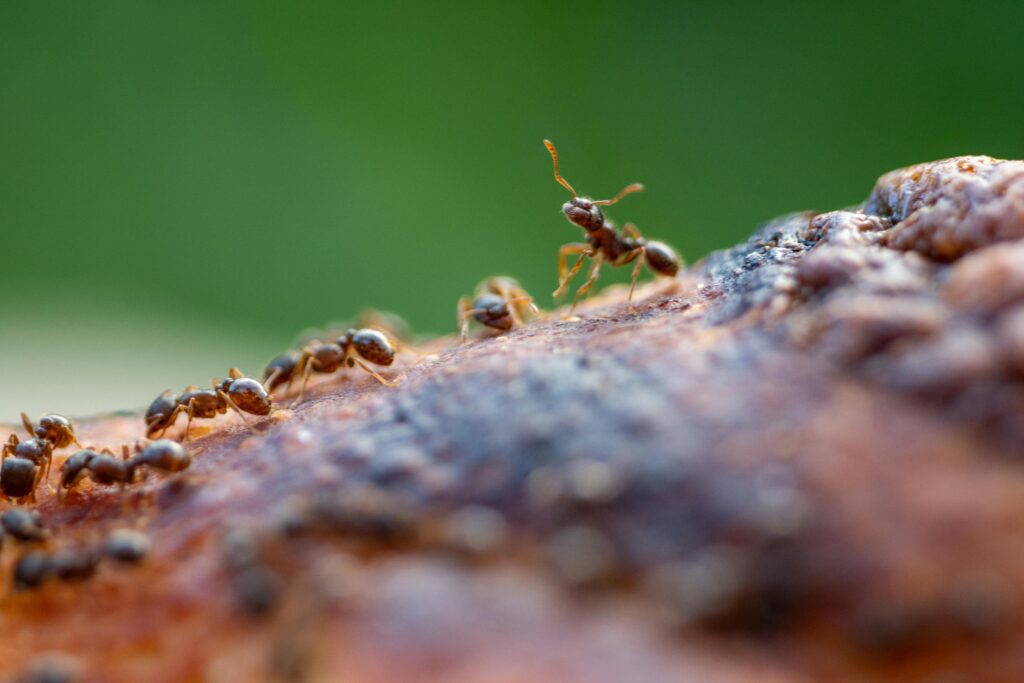
A healthy lawn in Cape Coral does not stay healthy by accident. Warm temperatures, frequent irrigation, sandy soils, and long growing seasons create ideal conditions for turf, but they also create ideal conditions for chinch bugs, sod webworms, armyworms, mole crickets, fire ants, and a long list of fungal and moisture-related problems that often show up right beside pest pressure. Homeowners usually notice the issue when grass starts thinning, yellowing, or pulling up in patches. By then, the damage is already underway.
That is why the best Lawn Pest Control Services Cape Coral FL homeowners use are not built around random spray visits. They are built around a maintenance plan. Pest control works best when it matches the way the lawn is already being maintained, cut, watered, fertilized, and inspected. If the pest program fights against the lawn care routine, results slip fast. If the two work together, the turf stays denser, recovery is faster, and treatments are often more efficient over the course of the year.
I have seen this play out on every kind of property, from small residential front lawns to larger corner lots with mixed St. Augustine and zoysia. The same principle holds. A pest treatment should never be treated like an isolated event. It should fit the property, the season, and the maintenance habits of the people caring for the lawn between service visits.
Cape Coral lawns face a very specific kind of pressure
Cape Coral is not a place where you can copy a lawn program from another region and expect it to work. The local climate changes the timing and intensity of pest issues. Heat builds quickly. Moisture conditions can swing from heavy summer rain to dry stress, depending on the season and irrigation setup. Lawns stay active longer here than they do in cooler parts of the country, which means pests also stay active longer.
St. Augustine grass, which is common in Southwest Florida, is especially vulnerable to chinch bug damage. Many homeowners assume yellow patches are caused by drought because the turf looks scorched. Often, the irrigation gets increased, and that can make other problems worse without solving the actual cause. In a few cases, extra watering masks the issue for a short time while the infestation spreads.
Mole crickets create a different problem. They tunnel beneath the turf and disturb roots, which leaves grass feeling spongy underfoot. Sod webworms and armyworms can strip blades quickly, sometimes in what feels like a matter of days during active periods. Fire ants add another layer, because even when the turf is otherwise decent, ant mounds make the lawn unpleasant and sometimes unsafe to use.
A good provider of Lawn Pest Control Services does not lump these into one generic category. Different pests require different timing, different products, and different expectations for follow-up. The right plan accounts for that from the start.
Why pest control has to match the maintenance plan
A lawn is a system. Mowing height, irrigation timing, fertilizer use, traffic, shade, drainage, and pest activity all interact with each other. When pest control is done in a vacuum, it tends to either underperform or create unnecessary expense.
Take mowing, for example. If a lawn is cut too short, it loses stress tolerance. That weakened turf becomes easier for insects to damage and slower to recover after treatment. If a pest control company treats the lawn but nobody addresses the mowing issue, the service may appear less effective than it actually is. The treatment may stop active feeding, but the lawn still struggles because the grass is being scalped every week.
Irrigation is another major factor. Overwatering can encourage disease pressure and shallow rooting. Underwatering can make insect damage appear worse and reduce the lawn’s ability to bounce back. On many Cape Coral properties, irrigation schedules are set once and rarely adjusted. That is understandable, but it creates blind spots. A technician who understands turf should be asking how long each zone runs, whether there are dry corners, and whether runoff is occurring near sidewalks or driveways. That information matters because it helps distinguish between pest damage and cultural stress.
Fertilization also changes the picture. Too much nitrogen can push tender growth that attracts pests or creates a lush top layer with weak underlying structure. Too little nutrition leaves the lawn thin and vulnerable. Pest control works better when fertility is balanced, not excessive.
This is why the strongest lawn programs are coordinated rather than stacked. If the lawn gets routine mowing, seasonal fertilization, irrigation monitoring, and targeted pest inspections, the entire property becomes easier to manage. You are not reacting to one crisis after another. You are reducing the odds of the crisis in the first place.
The difference between one-time treatments and managed protection
Homeowners often call for help after visible damage appears. That makes sense. Nobody wants to pay for service before there is a clear reason. The problem is that visible damage is usually a late-stage signal. Insect populations have often been active for a while before the turf starts to show obvious symptoms.
One-time treatments have a place. If a lawn suddenly develops armyworm activity or a concentrated fire ant issue before a gathering, a focused treatment can make sense. But one-time service rarely addresses why the problem developed, whether follow-up is needed, or how likely it is to return under the same maintenance conditions.
Managed protection is different. It involves scheduled inspections, treatment timing based on local pest cycles, and adjustments based on what the lawn is experiencing in real time. That does not always mean more chemicals. In fact, it often means more precise use of them. A technician who checks the lawn regularly can catch early pressure, verify recovery, and avoid broad treatments where spot treatment or timing changes would do the job.
The cost difference between reactive and planned service is not just what you pay on the invoice. It includes replacement sod, extra water, repeat visits, and the time a damaged lawn takes to recover visually. In some cases, a homeowner ends up paying for fertilization, fungicide, insect control, and re-sodding in the same season because the original issue was identified too late.
What a maintenance-friendly pest control plan actually looks like
The best plans are practical. They do not assume perfect homeowner habits, and they do not require constant intervention. They are built around what can realistically be maintained over time.
A strong Lawn Pest Control Services plan in Cape Coral usually starts with an assessment of turf type, existing condition, irrigation coverage, sun exposure, and current pest history. That matters because a shaded backyard with slower drying time behaves differently from a sunny front lawn that bakes near reflective pavement.
From there, service should line up with seasonal pressure. During warmer, wetter stretches, monitoring often needs to be more attentive because turf pests can move fast. During drier periods, the focus may shift toward stress management and early detection. If a lawn has a known history of chinch bugs, the plan should acknowledge that instead of treating every season as if it begins from zero.
Communication is part of the service, too. Homeowners should know what signs to watch for between visits. A good provider explains whether a treated area should show quick visual improvement or whether the goal is first to stop further decline and then let healthy growth fill in over time. Those are not the same thing, and confusion there leads to a lot of frustration.
The pests that most often shape service timing in Cape Coral
Not every lawn sees the same problems, but a few pests tend to drive most treatment decisions in this area.
Chinch bugs are high on the list, especially in St. Augustine lawns. They feed by piercing grass tissue https://zanderoufa958.image-perth.org/lawn-pest-control-services-for-preventing-patchy-uneven-lawns and sucking out plant juices, which leads to irregular yellow or brown patches. The damage can look similar to drought stress, and that is why misdiagnosis is so common. If the patch remains despite added water, or if the grass at the edge of the damaged area seems to decline fastest, chinch bugs deserve a closer look.
Sod webworms and armyworms can be surprisingly destructive. Homeowners may first notice birds feeding heavily in one area, which is sometimes an early clue. The grass may then look chewed or ragged before larger thinning appears. Timing matters here because these pests can escalate quickly under favorable conditions.
Mole crickets are often noticed by feel before appearance. If sections of lawn feel loose or bouncy and roots seem disturbed, subterranean activity may be part of the problem. That is especially frustrating for homeowners because the damage is literally happening below the surface.
Fire ants are not always thought of as a lawn care issue, but they absolutely affect usability. A lawn that cannot be safely walked on, played on, or maintained without repeated stings is not really functioning as intended. For families with children or pets, that matters a lot.
These are some of the core reasons Lawn Pest Control Services in this region need to be more than a simple calendar spray. The pests differ in behavior, exposure, and urgency.
Signs your current plan is not truly integrated
There are a few patterns that show up again and again when pest control is being treated as a separate service rather than part of the lawn’s maintenance system.
One common sign is repeated treatment with little visible improvement in turf density. That usually means the insects may be controlled, but another stress factor is holding back recovery. Mowing too low, poor irrigation coverage, compacted soil, or nutrient imbalance can all contribute.
Another sign is that every lawn issue gets blamed on pests. Sometimes the opposite is true. Homeowners spend money trying to correct fungal stress, irrigation mismatch, or shade decline with insect treatments that were never the right answer.
A third sign is lack of monitoring after treatment. If a company applies product and disappears until the next billing cycle, the lawn owner is left guessing. Effective service includes observation and interpretation, not just application.
I once looked at a property where the homeowner had paid for multiple insect treatments over the course of one summer. The front lawn still looked rough. The problem turned out to be a combination of chinch bug damage, yes, but also a broken irrigation head that had left one side dry for weeks, plus mowing at a height that was far too low for St. Augustine. The insect issue was real, but it was only one piece of the decline. Once the watering pattern and mowing height were corrected, the treated turf finally had a chance to recover.
Choosing a provider who works with your existing lawn routine
A good pest control company should be willing to ask questions that go beyond pests. If the conversation begins and ends with product names, that is usually a narrow approach. The better providers want to know how often the lawn is mowed, whether there is a current fertilization schedule, how irrigation is set, and whether the turf has a history of recurring trouble spots.
They should also be realistic. Not every lawn can be made flawless, especially if there are structural limits like heavy shade, poor drainage, or inconsistent maintenance. Honest guidance is a good sign. Overselling perfection usually is not.
It also helps when the company can coordinate with whoever handles the rest of the lawn. On some properties that means the homeowner. On others it means a mowing crew, landscape maintenance company, or irrigation specialist. The more those pieces communicate, the more consistent the result tends to be.
Here are a few questions worth asking before signing up for service:
- How do you adjust treatment timing for chinch bugs, webworms, mole crickets, and fire ants in this area?
- Will you inspect the lawn for irrigation, mowing, or turf stress issues that may affect pest pressure?
- Do you recommend preventive treatment, spot treatment, or both, and under what conditions?
- What should I expect to see after treatment, and how long does recovery usually take?
- How does your service fit with fertilization and routine lawn maintenance?
Those questions are practical, and they quickly show whether the company thinks like a partner or just a vendor.
Budget matters, but so does the shape of the service
Homeowners often compare Lawn Pest Control Services based on monthly cost alone. That is understandable, but it can be misleading. A lower price may reflect less monitoring, fewer follow-up visits, limited scope, or treatment that is only reactive. A higher price is not automatically better either. The key is whether the service matches the property’s needs.
For a lawn with recurring insect history, mature landscaping, and a homeowner who values strong curb appeal, a more active plan may save money over time by preventing repeated damage. For a smaller property with lower pressure and a hands-on homeowner who notices changes quickly, a lighter plan may be sufficient if the company remains responsive.
The point is not to buy the biggest package. The point is to buy the right fit. That fit depends on how much oversight the lawn already receives, how vulnerable the turf type is, and how disruptive past pest issues have been.
Recovery after treatment is where many lawns succeed or fail
Pest control does not instantly make damaged grass look healthy. It stops or reduces the pressure causing the decline. Recovery still depends on the grass being able to regrow. That distinction is important because many homeowners judge the quality of treatment too early, before the turf has had time to respond.
After insect pressure is addressed, the lawn may need irrigation correction, sensible mowing, and time for lateral growth to fill in. In more severe cases, areas may need repair or replacement if the root system has been compromised too heavily. A reputable provider should tell you when recovery is likely and when damage may be beyond natural rebound.
This is also where maintenance alignment matters most. If the pest issue is controlled but the lawn is still cut too short or watered poorly, the treated turf remains stressed and thin. That opens the door to the next issue, whether it is insects, disease, or weeds.
A coordinated plan after treatment often includes a short observation period, not panic. Grass may not green up overnight, especially if it has been under pressure for several weeks. What you want to see first is that the decline stops spreading. Then you look for new, healthier growth patterns. That is a more reliable sign than expecting an instant cosmetic turnaround.
When preventive service makes sense, and when it does not
Preventive treatment is useful on many Cape Coral lawns, but it should not be automatic in every circumstance. It makes the most sense when there is a clear pest history, when the turf type is especially vulnerable, or when the property owner wants tighter control because the lawn is highly visible or heavily used.
It makes less sense when the lawn has had little to no recurring pressure and conditions are being monitored closely enough to catch issues early. In those cases, inspection-driven treatment may be the better path. The best providers explain this trade-off honestly rather than forcing every property into the same plan.
There is also a middle ground. Some lawns benefit from preventive strategies for one or two high-risk pests and a reactive approach for everything else. That kind of customization is often where you get the best balance between cost and performance.
The role of homeowner habits between service visits
Even the best Lawn Pest Control Services cannot fully compensate for poor day-to-day lawn habits. Fortunately, the changes that matter most are usually manageable. Raise the mowing height if the turf is being cut too low. Watch for irrigation heads that are clogged, misaligned, or broken. Pay attention to areas that consistently decline first. Those repeat trouble spots often reveal underlying stress before the rest of the lawn shows symptoms.
The most useful thing a homeowner can do is observe. You do not need professional training to notice that one patch near the driveway is turning color faster, that bird activity has suddenly increased in the backyard, or that a mound pattern suggests fire ants are returning. Early communication gives the service provider a better chance to respond while the issue is still contained.
A well-maintained lawn in Cape Coral is not pest-proof, but it is far more resilient. Dense turf tolerates pressure better, recovers faster, and leaves fewer open opportunities for repeated decline. That resilience is what a maintenance-aligned pest plan is really buying you.
A lawn plan should work in real life, not just on paper
The strongest pest control program is the one that fits the way your property is actually cared for. If you travel often and need a more self-managing plan, the service should reflect that. If you are hands-on and want detailed feedback, the provider should support that. If your lawn has a known pest pattern every warm season, the schedule should anticipate it rather than act surprised by it.
That is the practical value of choosing Lawn Pest Control Services Cape Coral FL homeowners can tie directly into regular maintenance. You get fewer surprises, clearer expectations, and a lawn that is being managed as a system instead of a collection of unrelated problems. In a climate like Cape Coral’s, that approach is not a luxury. It is what keeps a lawn attractive, usable, and far easier to protect over the long haul.
Maximum Pest Control
Address: 836 NE 7th Terrace Ste 5, Cape Coral, FL 33909
Phone number: +12392373835
FAQ About Lawn Pest Control Services Cape Coral FL
How much is yard pest control?
Professional yard pest control generally costs $50 to $200 per individual treatment, while a full-season package or annual contract ranges from $200 to $1,000 depending on the specific pests and your lawn size. If you are looking for simple outdoor perimeter treatments to keep bugs from crossing into your house, expect to pay around $85 to $200 per visit.
How to get rid of pests in your lawn?
To get rid of pests in your lawn, first identify the specific bug or damage. Clear away tall grass, weeds, and standing water. Treat surface or subsurface pests like grubs and ants using a broadcast spreader with granular insecticides like Spectracide Triazicide Granules or Sevin Lawn Granules, then water the lawn lightly.
What does pest control do for your lawn?
Lawn pest control targets destructive insects and biters like grubs, chinch bugs, fleas, and ticks using specialized liquid or granular treatments. These services protect grass roots from dying, prevent brown or yellow dead patches, and lower health risks for your family and pets.